


DJI Officially Teases the Avata 360: A New Era for FPV Cinewhoops

DJI has confirmed a March 26 launch date for the Avata 360, a first-of-its-kind FPV cinewhoop drone that captures 360-degree video, allowing creators to “fly first and frame later.”
What Happened:
Following weeks of speculation, DJI has officially dropped a teaser confirming the DJI Avata 360. Set for a global launch on March 26, 2026, the company promoted the event with the tagline “Above It All, See It All.”
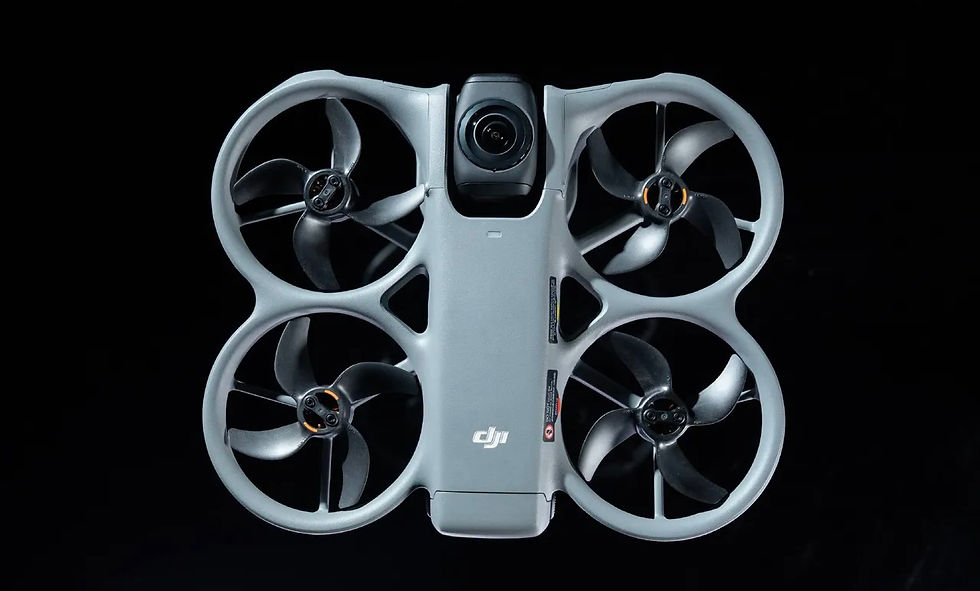
The Avata 360 represents DJI's first foray into native 360-degree FPV (First Person View) cinewhoop drones. Unlike previous models, it integrates a dual-lens camera system built around two large 1/1.1-inch sensors, capable of capturing 8K 360-degree video at up to 60 frames per second.
While the camera captures a full spherical view, the drone features a rotatable gimbal. This allows the pilot to maintain a traditional, stabilized forward-facing view through their DJI Goggles for precise navigation. The physical airframe builds upon the Avata 2, retaining the enclosed propeller guards necessary for safe indoor and proximity flying.

Why It Matters for Creators:
Flying an FPV drone requires immense skill. Tracking a fast-moving subject perfectly while simultaneously dodging obstacles is incredibly difficult, and a slight miscalculation in the camera's tilt or pan can ruin an otherwise perfect take.
The Avata 360 eliminates this stress by decoupling the flight path from the camera framing. Because the drone captures everything in a 360-degree sphere, creators no longer need to worry about keeping their subject perfectly centered during the flight.
You can simply fly the drone safely along your desired path, and then use editing software in post-production to pan, tilt, and track the subject perfectly. It essentially gives solo drone operators the flexibility of having a dedicated camera operator on board, vastly increasing the success rate of complex cinematic shots.
Real-World Use Case:
Consider a real estate videographer capturing a dynamic "fly-through" of a luxury property. They need to fly through a narrow doorway, follow a staircase up to the second floor, and reveal a sweeping living room.
With a traditional FPV drone, the pilot must fly through the doorway while simultaneously panning the drone's nose to look at the living room, significantly increasing the risk of a crash.
With the Avata 360, the pilot focuses purely on flying safely through the gaps, looking straight ahead. Later, on their computer or tablet, they can reframe the video to smoothly pan around the room. This creates an impossible, Hollywood-level camera move that required zero mid-air camera gymnastics.

Who This Is For:
The Avata 360 is aimed squarely at:
• Solo filmmakers
• Real estate videographers
• Action sports creators
• Commercial drone pilots
It is particularly appealing to creators who want the dynamic, fast-paced look of FPV footage but lack the hundreds of hours of manual flight practice required to execute complex camera tracking maneuvers perfectly.
Terminal Quest Verdict:
The DJI Avata 360 is poised to be a massive disruptor in the aerial video market. By blending the safety of a cinewhoop drone with the "reframable" flexibility of a 360-camera, DJI is lowering the barrier to entry for high-end cinematic drone shots. It’s an incredibly practical evolution of the Avata line that will save creators time on set and provide unparalleled creative freedom in the editing room.

